Source Long Lasting Waterproof Liquid Eyeliner for Daily, Event, and Professional Use
Compare 30 listings of long lasting waterproof liquid eyeliner from verified manufacturers. Buyers can evaluate specifications, certifications, and customization options for eye makeup sourcing needs.
Key considerations
Products List









Comprehensive Sourcing Guide
Strategic Sourcing Guide for Long-Lasting Waterproof Liquid Eyeliner
Procuring long-lasting waterproof liquid eyeliner requires a disciplined approach that balances cosmetic performance with rigorous supply chain verification. The market for eye makeup, particularly products designed for durability and water resistance, is saturated with options ranging from mass-market generic goods to specialized OEM solutions. Buyers must navigate a complex landscape of formulation types, regulatory certifications, and packaging specifications to ensure that the final product meets both consumer expectations and international safety standards. This guide outlines the critical factors for sourcing this specific category, drawing on observed market data and technical requirements to provide a robust framework for procurement decisions.
Technical Specifications and Formulation Variability
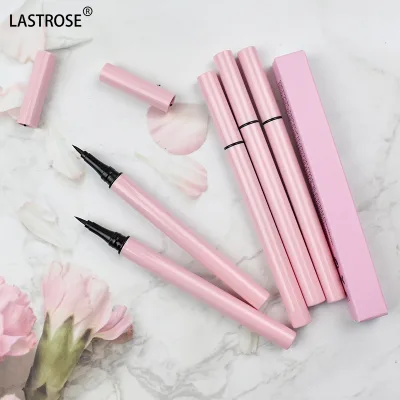
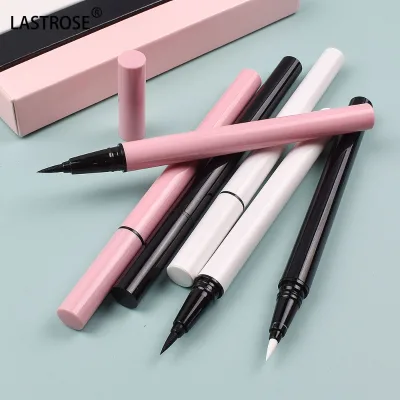
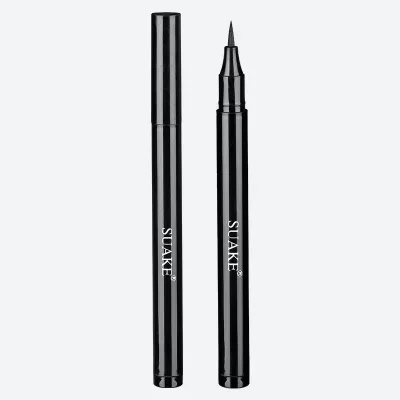
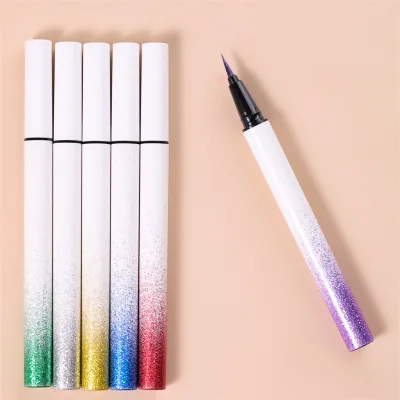
The term "liquid eyeliner" in the B2B context often encompasses a spectrum of delivery mechanisms, from traditional brush-tip liquids to pencil-based formulations that offer a liquid application experience. Observed product attributes indicate a significant divergence in formulation types. Some listings specify a "Liquid" form with "Wet" eye shadow characteristics, suggesting a fluid consistency that dries to a film. In contrast, other high-volume items are categorized as "Eyeliner Pencil" or "Liquid eyeliner pencil," which utilize a "Pencil" formulation to deliver the product. This distinction is critical for buyers, as the application method dictates the user experience and the required packaging infrastructure.
A primary technical requirement for this category is the "Waterproof" function. Market data confirms that this attribute is frequently paired with "Long-lasting" or "Long-wear" claims. While the specific chemical composition of the waterproofing agents is not always disclosed in public listings, the functional requirement implies the use of film-forming polymers and waxes that resist water, sweat, and oils. Buyers should verify that the product claims align with the actual formulation, as some "waterproof" products may rely on temporary film formation that can flake over time. Additionally, the "Main Ingredient" varies; some products list "Mineral" components, while others highlight "Herbal" ingredients. This variation impacts the product's positioning, with mineral-based formulas often marketed for sensitivity, and herbal formulas appealing to natural beauty trends.
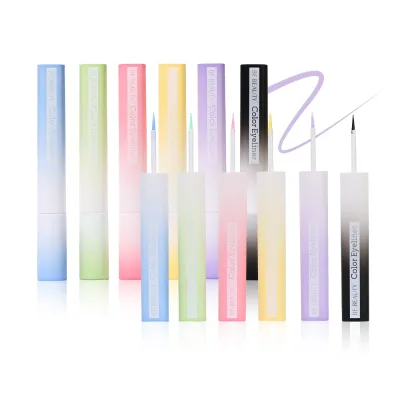
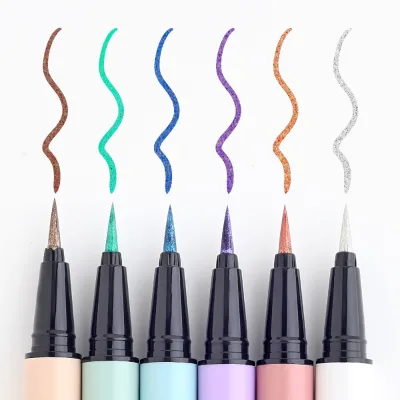
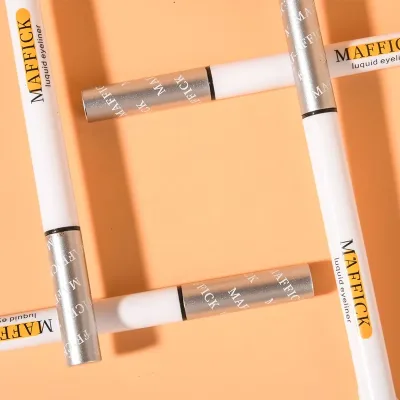
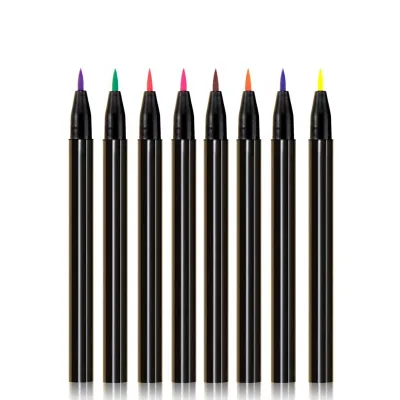
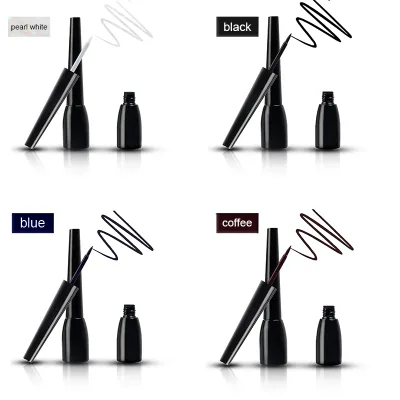
The physical specifications of the product also vary significantly. Observed net weights range from 0.7g to 3.5g, a substantial difference that affects both the unit cost and the perceived value to the end consumer. Packaging dimensions are equally diverse, with single package sizes recorded as small as 10x0.5x0.5 cm for pencil formats and larger dimensions like 14x2x1 cm or 10x3x10 cm for other configurations. The "Packaging Material" is predominantly "Plastic," which offers durability and cost-efficiency but requires scrutiny regarding environmental impact and recyclability. The "Single Color" or multi-color availability (e.g., shades 01 through 06) is another specification that influences inventory complexity and SKU management for the buyer.
Compliance and Certification Verification
In the cosmetics industry, compliance is not merely a regulatory hurdle but a fundamental component of brand safety and market access. The sourcing of long-lasting waterproof liquid eyeliner demands a thorough verification of certifications. Observed product data lists a robust array of certifications, including GMPC, ISO, MSDS, FDA, and GMP. These acronyms represent different facets of quality assurance: GMPC (Good Manufacturing Practice for Cosmetics) and GMP ensure the manufacturing environment is controlled; ISO standards often relate to quality management systems; MSDS (Material Safety Data Sheet) provides critical safety information regarding chemical handling; and FDA registration is often a prerequisite for selling in the United States.
However, buyers must exercise caution when interpreting these certifications. While some product listings explicitly state "GMPC, ISO, MSDS, FDA, GMP," others may only list a subset, such as "MSDS" or "CE, MSDS, HALAL." The presence of "HALAL" certification indicates compliance with Islamic dietary laws, which is a significant differentiator for markets in the Middle East and Southeast Asia. Similarly, "CE" marking suggests conformity with health, safety, and environmental protection standards for products sold within the European Economic Area. It is imperative for buyers to request current, verifiable copies of these certificates from the supplier rather than relying solely on the product page. A supplier claiming "OEM Service Accepted" and "Customization" capabilities must still demonstrate that their customization process adheres to these same regulatory standards.
Furthermore, the "prod_standard" field often cites specific weight requirements, such as "net wt 3.5g" or "net wt 0.7g." While these are specifications, they also serve as a proxy for labeling compliance. Regulatory bodies often have strict requirements regarding the declaration of net weight on packaging. A discrepancy between the stated standard and the actual filled weight can lead to regulatory penalties and consumer distrust. Buyers should ensure that the supplier's quality control protocols include regular checks against these stated standards to prevent underfilling or overfilling issues.
Cost Drivers and Economic Considerations
The pricing structure for long-lasting waterproof liquid eyeliner is influenced by a complex interplay of factors, including formulation complexity, certification status, and order volume. The observed price range in the market spans from $0.20 to $2.50 USD per unit. This wide variance suggests that the lowest price points likely correspond to basic formulations with minimal packaging and lower certification overheads, while the higher end of the spectrum reflects premium ingredients, advanced waterproof technology, and comprehensive compliance documentation.
The Minimum Order Quantity (MOQ) is another significant cost driver. Data indicates an MOQ range from 2 units to 12,000 units. This disparity highlights the flexibility of the market, catering to both small startups testing the waters and large retailers requiring bulk inventory. An MOQ of 1,000 pieces is frequently observed, which may be a standard threshold for OEM customization. Buyers must calculate the total landed cost, which includes the unit price, shipping, duties, and any additional costs associated with custom packaging or labeling. The "Selling Units" being listed as "Single item" suggests that the MOQ applies to the purchase of individual SKUs, but bulk discounts may apply at higher volumes.
Customization is a key value-add that impacts cost. The availability of "OEM Color," "Customized Package Accepted," and "OEM Service Accepted" allows buyers to differentiate their brand. However, these services often incur setup fees or higher per-unit costs, particularly for custom molds or specialized inks. The "Place of Origin" is listed as "China," specifically "Zhejiang, China," which is a major manufacturing hub. While this location offers competitive labor and material costs, buyers must factor in logistics lead times and potential geopolitical risks that could affect supply chain stability. The "Shelf Life" of 36 months and "PAO" (Period After Opening) of 12 months are critical for inventory management, as they dictate how long the product can be stored before sale and how long it remains viable for the consumer after purchase.
Typical Applications and Market Positioning
The application of long-lasting waterproof liquid eyeliner extends beyond simple cosmetic enhancement; it is a functional product designed for specific occasions and user needs. The "Usage" is consistently identified as "Eye," "Eyeliner," or "Makeup Eyes," indicating a specialized application. The "Occasion" is listed as "Daily Life," suggesting that the product is formulated for everyday wear, requiring a balance between durability and ease of removal. However, the "Waterproof" and "Long-lasting" attributes also make it suitable for more demanding scenarios, such as humid environments, sports activities, or long events where touch-ups are impractical.
The "Advantage" of being "Long Lasting Water Proof" positions the product as a solution for consumers seeking reliability. This is particularly relevant for users with oily eyelids or those living in tropical climates. The "Type" of product, whether "Liquid eyeliner" or "Eyeliner Pencil," influences the application precision. Pencil formulations may offer a softer, more blendable line, while liquid formulations typically provide a sharper, more defined look. The "Brand name" is often listed as "OEM/ODM," indicating that the product is white-labeled for various retailers. This allows buyers to position the product under their own brand identity, leveraging the manufacturer's technical expertise while building their own market presence.
The "Main Ingredient" of "Mineral" or "Herbal" components can be a strategic differentiator. In an era where consumers are increasingly conscious of ingredients, highlighting these components can appeal to health-conscious buyers. The "Product name" variations, such as "Professional Waterproof Eyeliner Pencil" or "Long-wear Waterproof Eyeliner," reflect the marketing language used to target specific segments. Buyers should align their product naming and marketing strategy with the actual performance capabilities of the formulation to avoid misleading claims that could lead to returns or reputational damage.
Supplier Evaluation and Quality Control Protocols
Selecting the right supplier is paramount to the success of any procurement strategy. The observed data shows a high level of "Customization" availability, which is a positive indicator of a flexible manufacturing partner. However, buyers must go beyond surface-level attributes and conduct a deep-dive evaluation of the supplier's capabilities. The presence of certifications like "GMPC, ISO, MSDS, FDA, GMP" should be verified through direct communication and document requests. A supplier that can provide a full suite of certifications demonstrates a commitment to quality and regulatory compliance.
Quality control (QC) protocols are essential to ensure consistency. The "Single gross weight" and "G.W." (Gross Weight) data points, such as 0.024kg and 0.050kg, suggest that the supplier tracks weight meticulously. Buyers should request a Quality Control Plan that outlines how the supplier monitors the "net wt" against the "prod_standard." This includes checks for fill volume, seal integrity, and color consistency. The "Shelf Life" of 36 months implies that the product must remain stable over an extended period, requiring robust preservative systems and packaging integrity.
The "Packaging" aspect, specifically "Plastic" and "Cartons," requires evaluation for durability and sustainability. The "Package Size" and "Single package size" dimensions must be optimized for shipping efficiency to reduce logistics costs. A supplier that offers "Customized Package Accepted" can help buyers design packaging that stands out on the shelf while protecting the product during transit. The "Place of Origin" in Zhejiang, China, is a known manufacturing cluster, but buyers should still conduct on-site audits or third-party inspections to verify the actual production environment and working conditions.
Long-Term Procurement and Supply Chain Resilience
Sourcing long-lasting waterproof liquid eyeliner is not a one-time transaction but a long-term partnership that requires strategic planning. The "MOQ" range of 2 to 12,000 units offers flexibility, but buyers must consider their growth trajectory. Starting with a lower MOQ allows for market testing, but scaling up to higher volumes may require negotiating better pricing and securing production slots. The "Lead time" is not explicitly stated in the data, but buyers should assume a standard lead time for custom manufacturing and factor this into their inventory planning.
The "OEM" and "ODM" capabilities of the supplier are crucial for long-term brand development. As the buyer's brand grows, they may need to introduce new shades, formulations, or packaging designs. A supplier that accepts "OEM Service" and offers "Customization" can support this evolution. However, buyers must ensure that the supplier has the capacity to handle increased volumes without compromising quality. The "Certification" status must be maintained and renewed regularly, as regulatory requirements can change.
Finally, the "Advantage" of the product, such as being "Long Lasting Water Proof," must be consistently delivered. Any deviation in performance can lead to negative reviews and brand damage. Buyers should establish clear quality benchmarks and conduct regular audits to ensure that the supplier adheres to these standards. The "Shelf Life" and "PAO" data should be used to manage inventory turnover, ensuring that products are sold before they expire. By focusing on these long-term considerations, buyers can build a resilient supply chain that supports sustainable growth and brand loyalty in the competitive cosmetics market.
FAQs
What certifications are required for long lasting waterproof liquid eyeliner?
Products typically require GMPC, ISO, MSDS, and GMP certifications. Some listings also include FDA and HALAL compliance. Buyers must verify current certificates from the supplier to ensure regulatory adherence for international markets.
How is the product formulated for waterproof performance?
Formulations often use film-forming polymers and waxes to resist water and oils. Ingredients may include minerals or herbal components. The specific chemical composition varies, so buyers should request detailed formulation data to confirm durability claims.
What is the standard packaging material for this product?
Plastic is the predominant packaging material used for these eyeliner products. It offers durability and cost efficiency. Buyers should also check if custom packaging is accepted to align with their specific branding requirements.
Can suppliers offer OEM color and custom packaging services?
Yes, OEM color and customized packaging are widely accepted services. Suppliers often support brand differentiation through these options. However, customization may involve setup fees or higher per-unit costs depending on the complexity of the request.
What is the typical shelf life and period after opening?
The standard shelf life is 36 months from manufacture. The period after opening is typically 12 months. These timelines are critical for inventory management and ensuring product stability before sale and consumer use.
Which MOQ values are common for this eyeliner category?
Minimum Order Quantities range from 2 units to 12,000 units. A common threshold for OEM customization is often 1,000 pieces. Buyers should calculate total landed costs including unit price and shipping based on their specific volume needs.
Where are the primary manufacturing locations for these products?
Products originate primarily from China, with specific hubs in Zhejiang. This location offers competitive labor and material costs. Buyers must factor in logistics lead times and potential supply chain risks associated with this region.